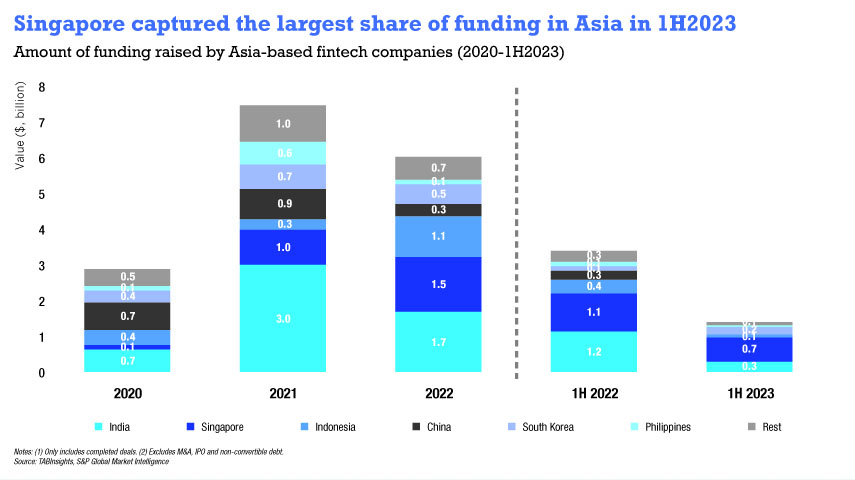



While India led in fintech funding between 2020 and 2022, Singapore outpaced India in the first half of 2023, driven by the digital lending and insurtech segments

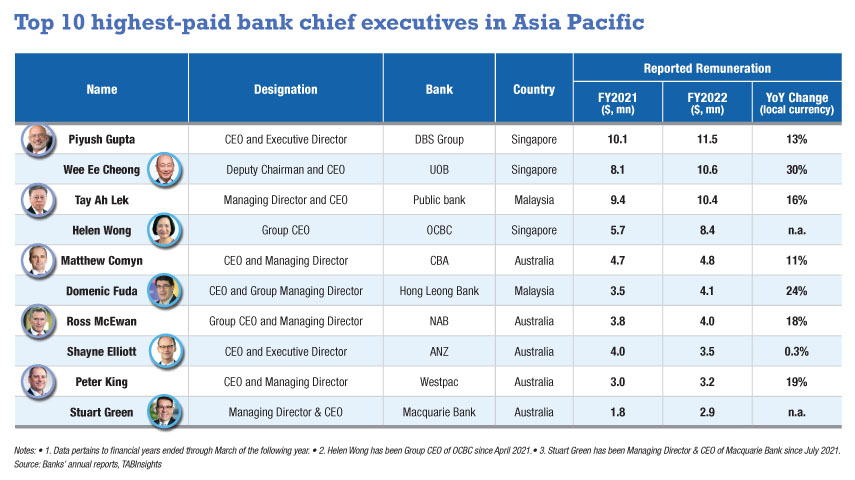
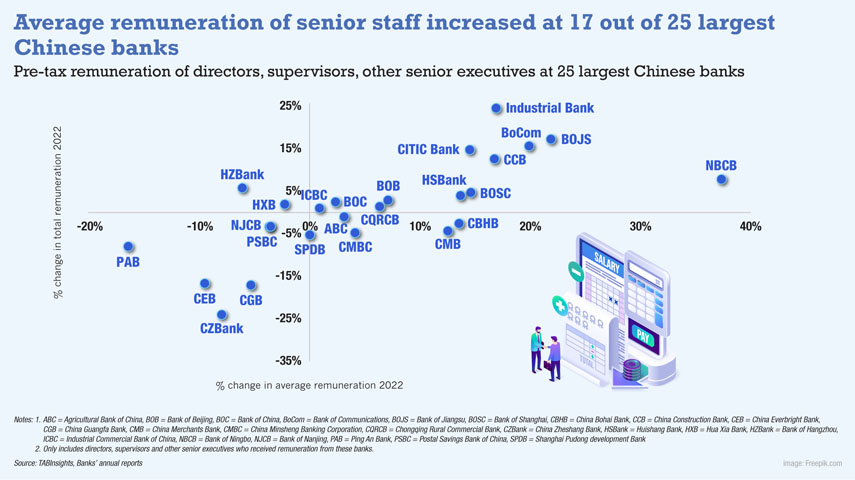
Despite efforts to cap financial sector pay, 17 out of the 25 largest commercial banks in China saw a rise in average remuneration for their directors, supervisors and other senior executives in 2022
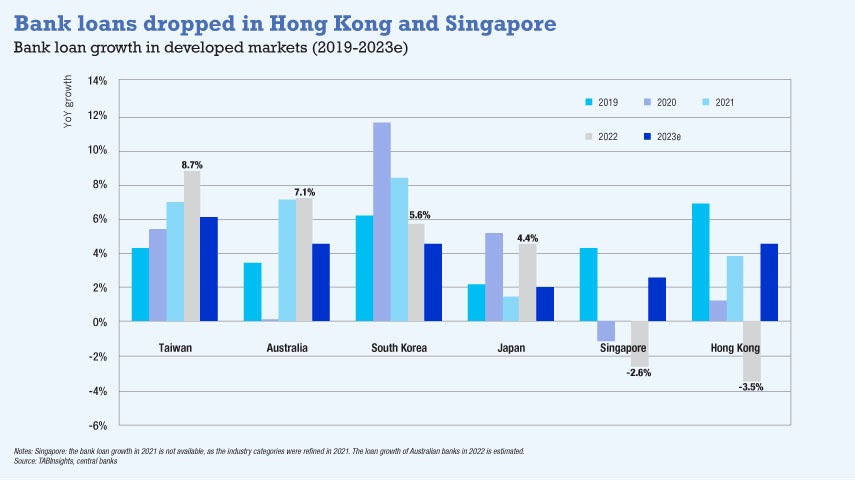
Softening bank loan growth in some markets but Asia Pacific expected to sustain momentum in 2023 with post-COVID-19 recovery in China boosting lending demand
The failure of Silicon Valley, Silvergate and Signature banks was caused by asset-liability mismatches, interest rate hikes and insufficient diversification, with many other US banks set to crack
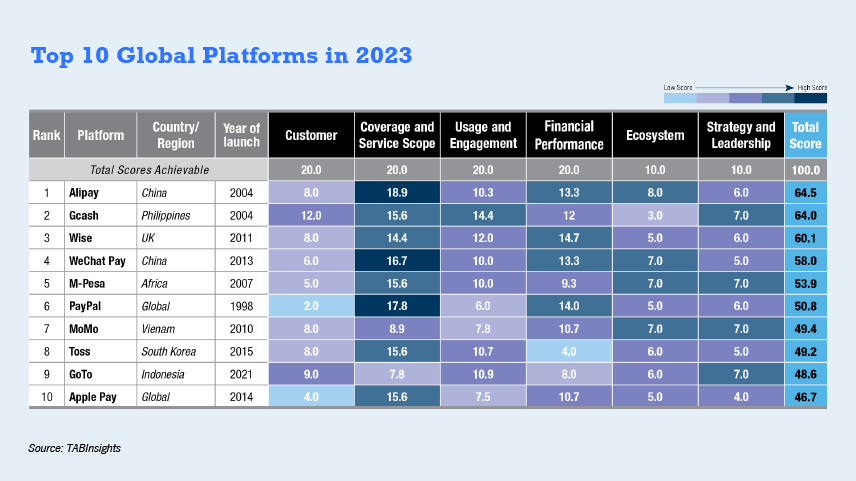
Alipay emerges as the best platform, driven by its impressive performance in coverage, connectivity and ecosystem, while GCash excels in customer base, usage and engagement, and Wise scores on performance
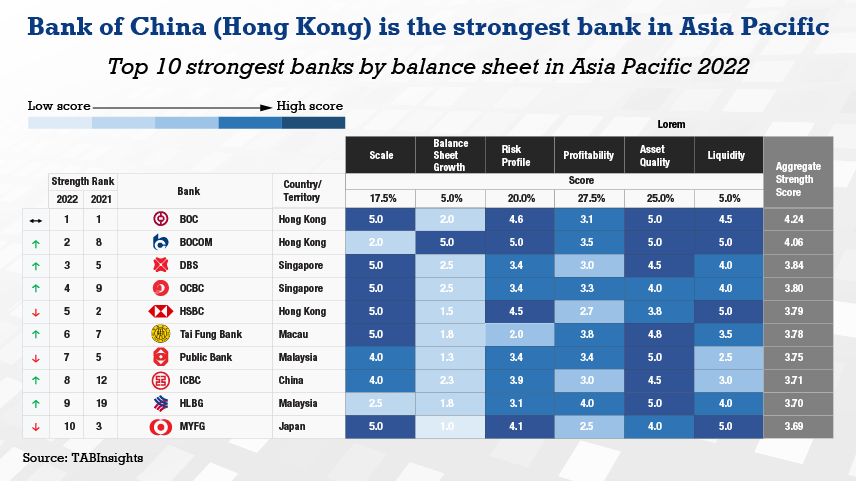
Asia Pacific banking sector delivered better-than-expected profitability and reduced NPLs in FY2021.The strongest banks in China, Hong Kong, Japan, Macau, Malaysia and Singapore ranked among the top 10 strongest banks in the region
Asia Pacific banks saw asset growth slow down to 7.9% in FY2021 from 10.7% in FY2020, while 85% of banks posted higher net profit, reflecting economic recovery from the COVID-19 pandemic
Al Rajhi Bank retained the top spot in the rankings of the largest and the strongest Islamic banks in the world. Malaysia had the most Islamic banks on the list, while Saudi Arabia held the largest share of total assets
Saudi National Bank, the third largest bank in the Middle East and Africa, achieved solid profitability. National Bank of Egypt overtook Standard Bank Group as the largest bank in Africa and it fared well in asset quality, capitalisation and liquidity
Alternative credit is flourishing in Thailand as big technology platforms fill in the lending gaps left by traditional financial institutions. Known for fast and efficient end-to-end services, these challengers are drawn to the country because of the large market for unsecured lending and higher profit potential.
Banks have not experienced a significant deterioration in asset quality of their MSME exposure, supported by various policy measures. An uptick in the non-performing small business loans is expected with the expiry of these measures.
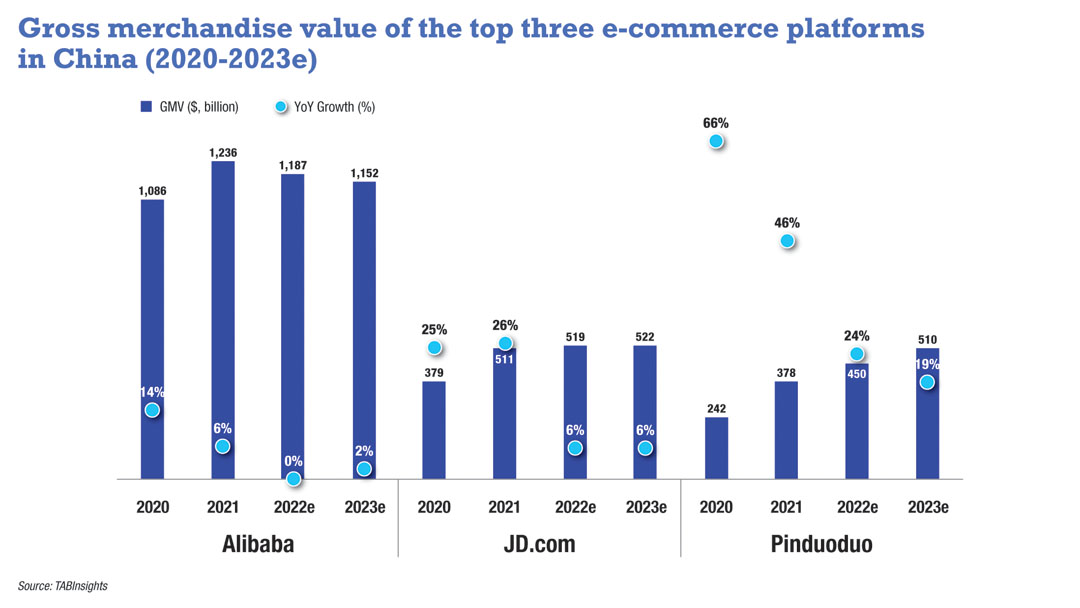
The weak sales growth for this year’s Double 11 shopping festival was largely driven by the depressed consumer sentiment and logistical disruptions under the zero-COVID policy, along with the regulatory scrutiny.