

The global outage led by the CrowdStrike-Microsoft faulty software update underscores the emerging gaps in resilience, interdependence of systems, vendor concentration, and single points of failure in networks
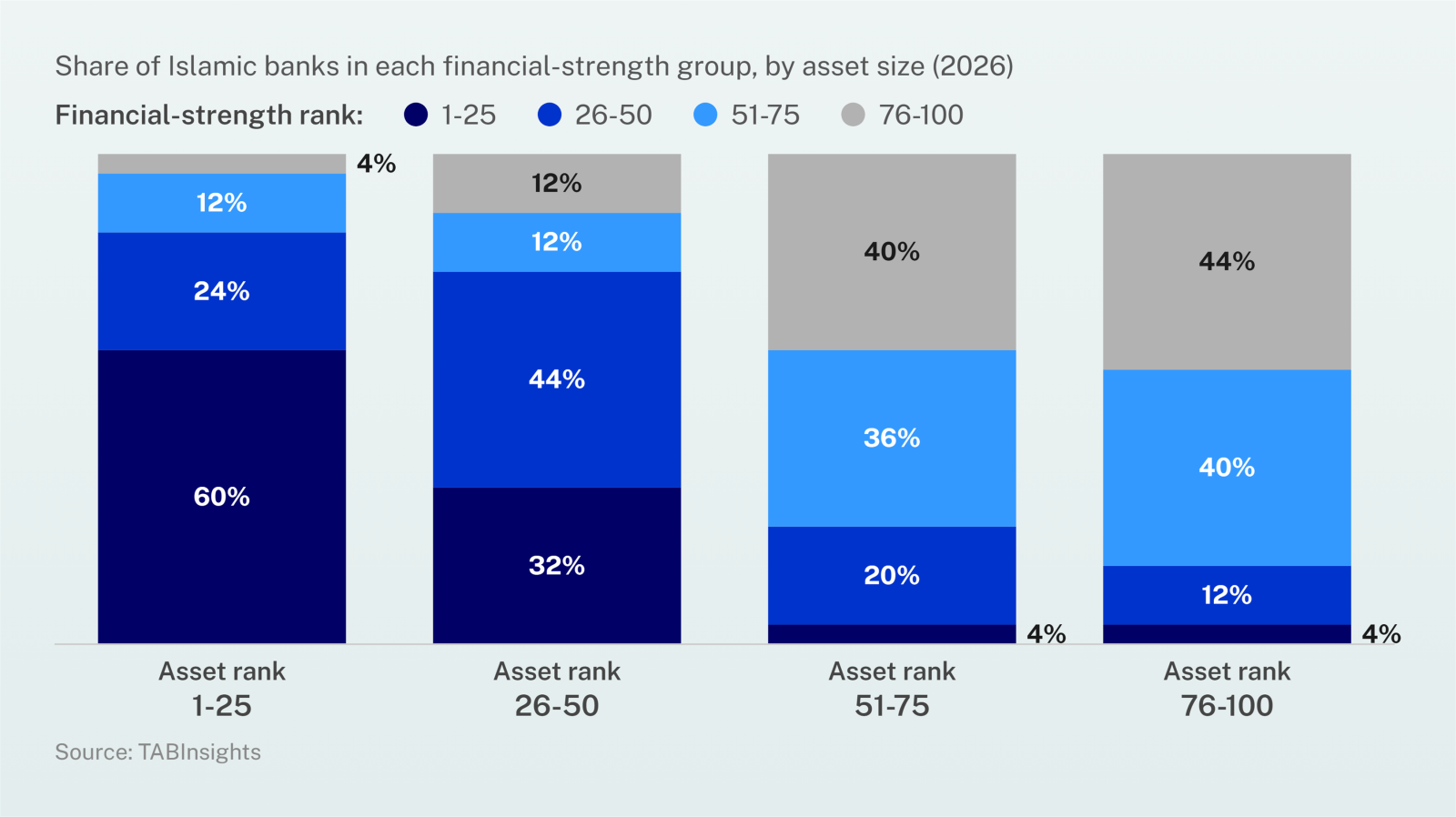
Islamic banks in Saudi Arabia display exceptional financial strength, with Al Rajhi Bank maintaining its position as the largest and strongest Islamic bank worldwide.

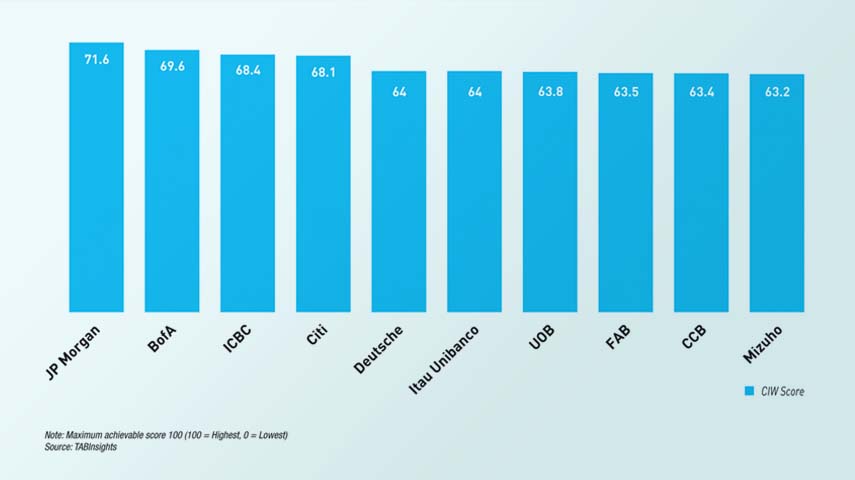
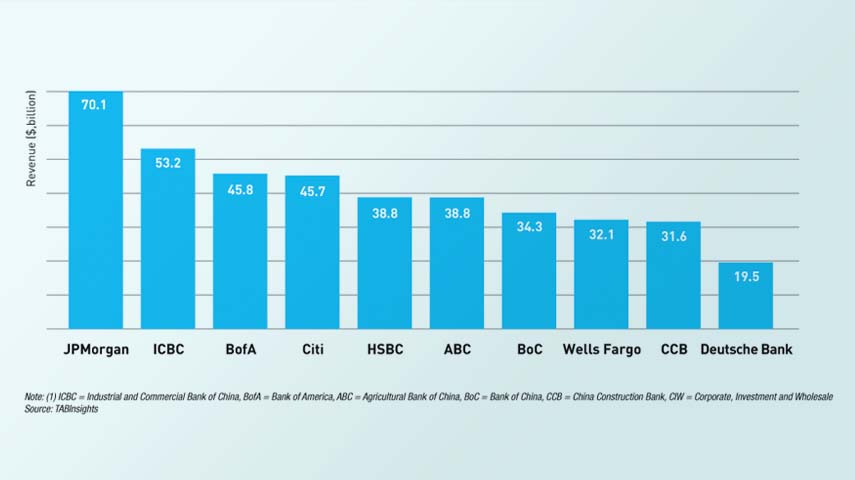
JPMorgan, ICBC and Bank of America led global corporate, investment and wholesale banking revenue in FY2024, underscoring a competitive shift as institutions prioritise growth, efficiency and innovation to redefine global banking leadership.
The TAB Global World’s 100 Best CIW Banks Ranking 2025 shows that leadership is shaped less by profitability and more by strategic focus. Global giants dominate through assets and reach, while regional champions prove that efficiency and digital capability can rival size in defining success
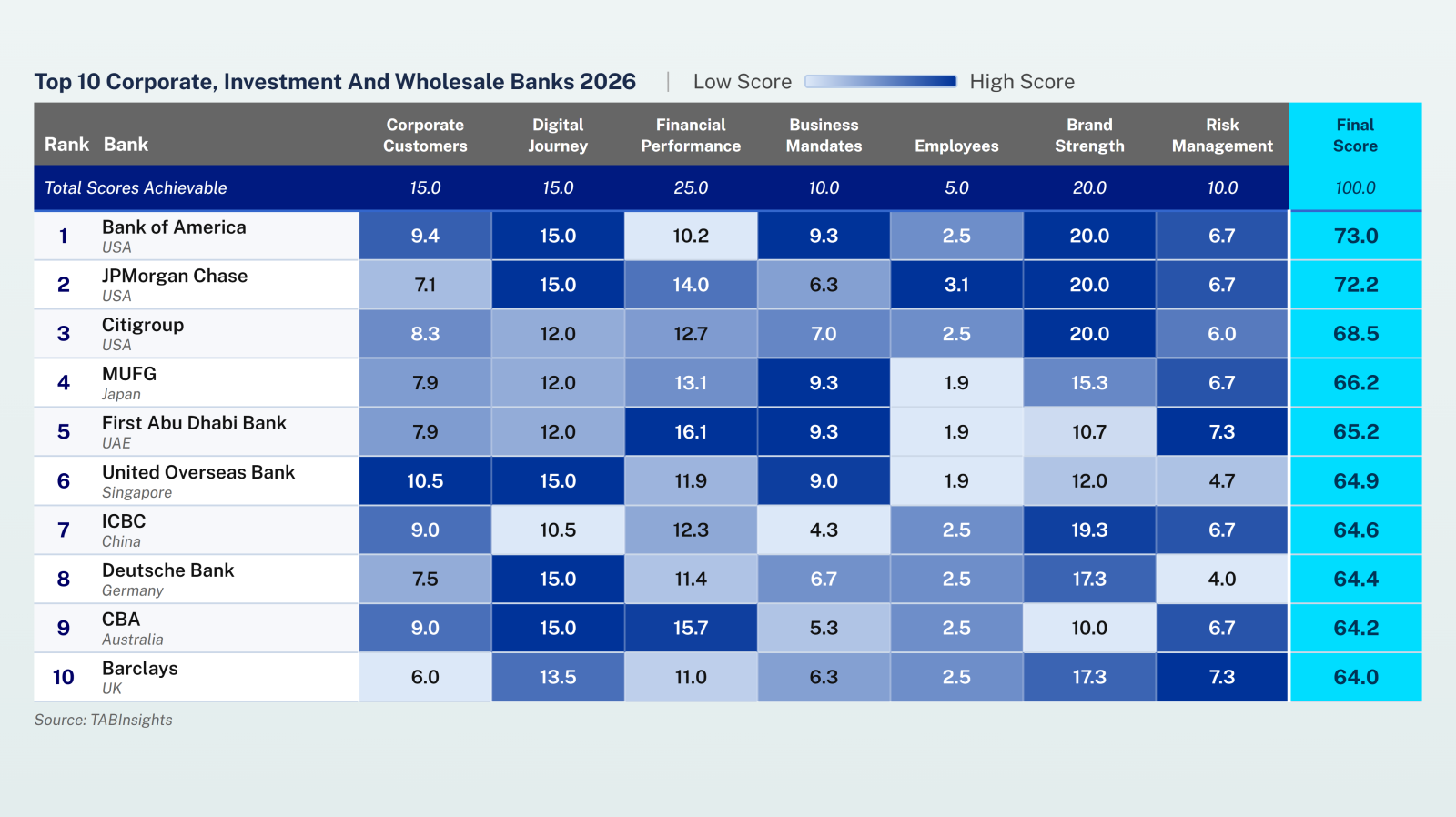
Global CIW banking has entered an execution phase, where rank movement is driven by improvement across multiple dimensions, while the efficiency gap between Middle Eastern and Western institutions widens
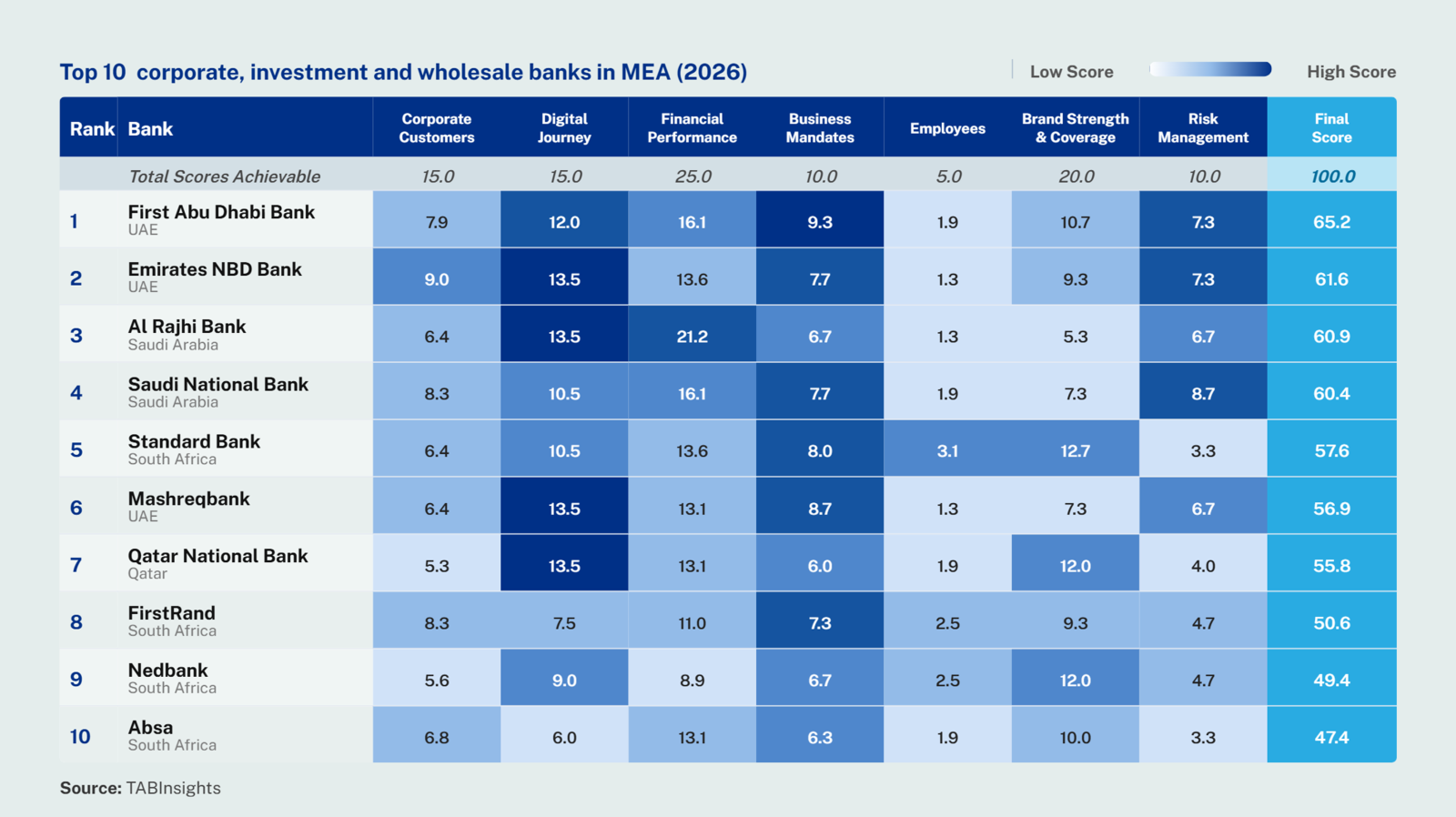
The 2026 ranking highlights how Gulf and African banks are pursuing different strategies to strengthen their corporate and wholesale franchises, with digital capability, regional connectivity, capital markets expertise and disciplined financial performance emerging as key competitive differentiators.
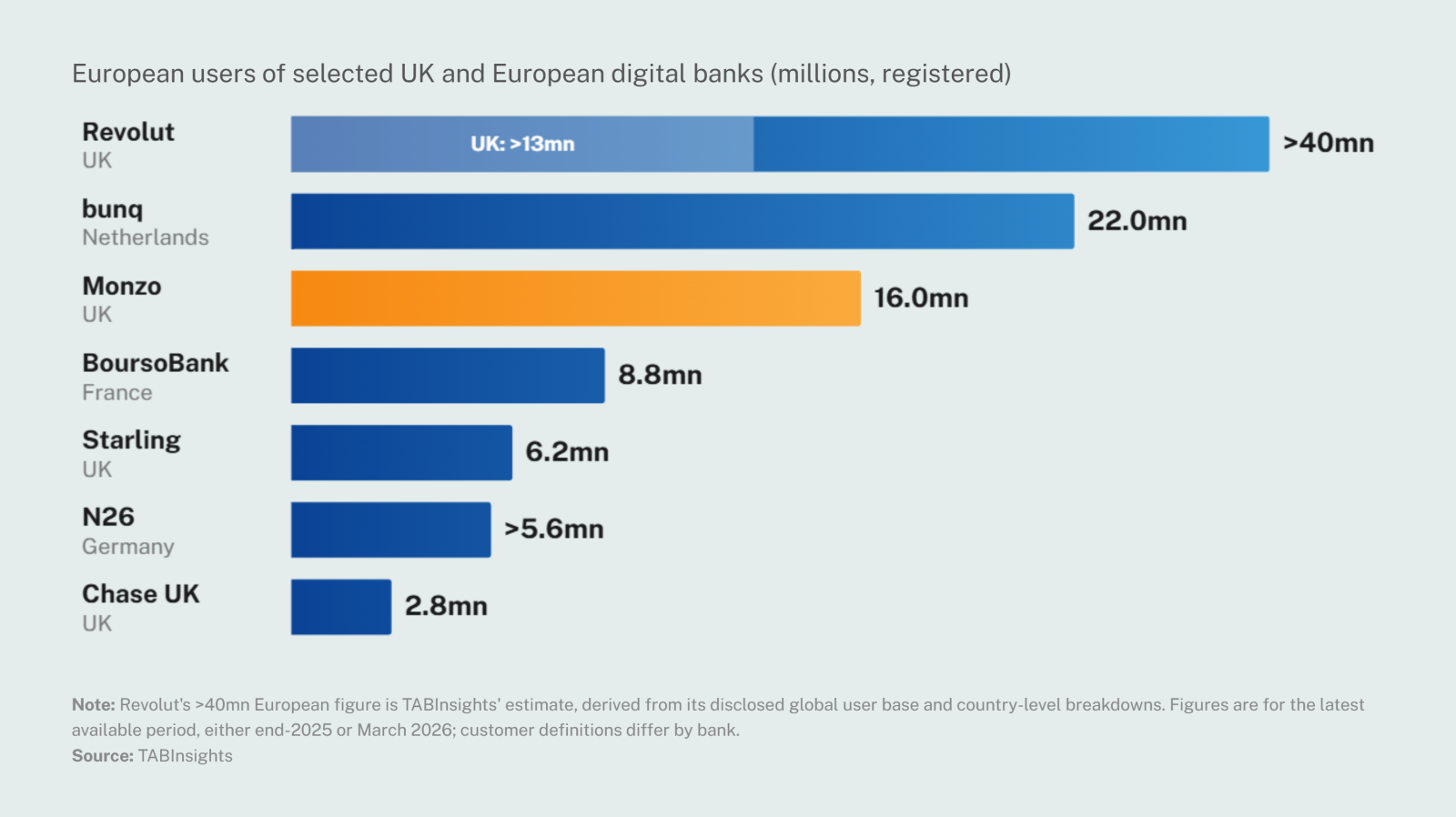
Nu Holdings reportedly explored an acquisition of Monzo that would have given the Latin American digital bank a profitable UK franchise and a regulatory platform for expansion across Europe. Nubank later said it was not pursuing a transaction.
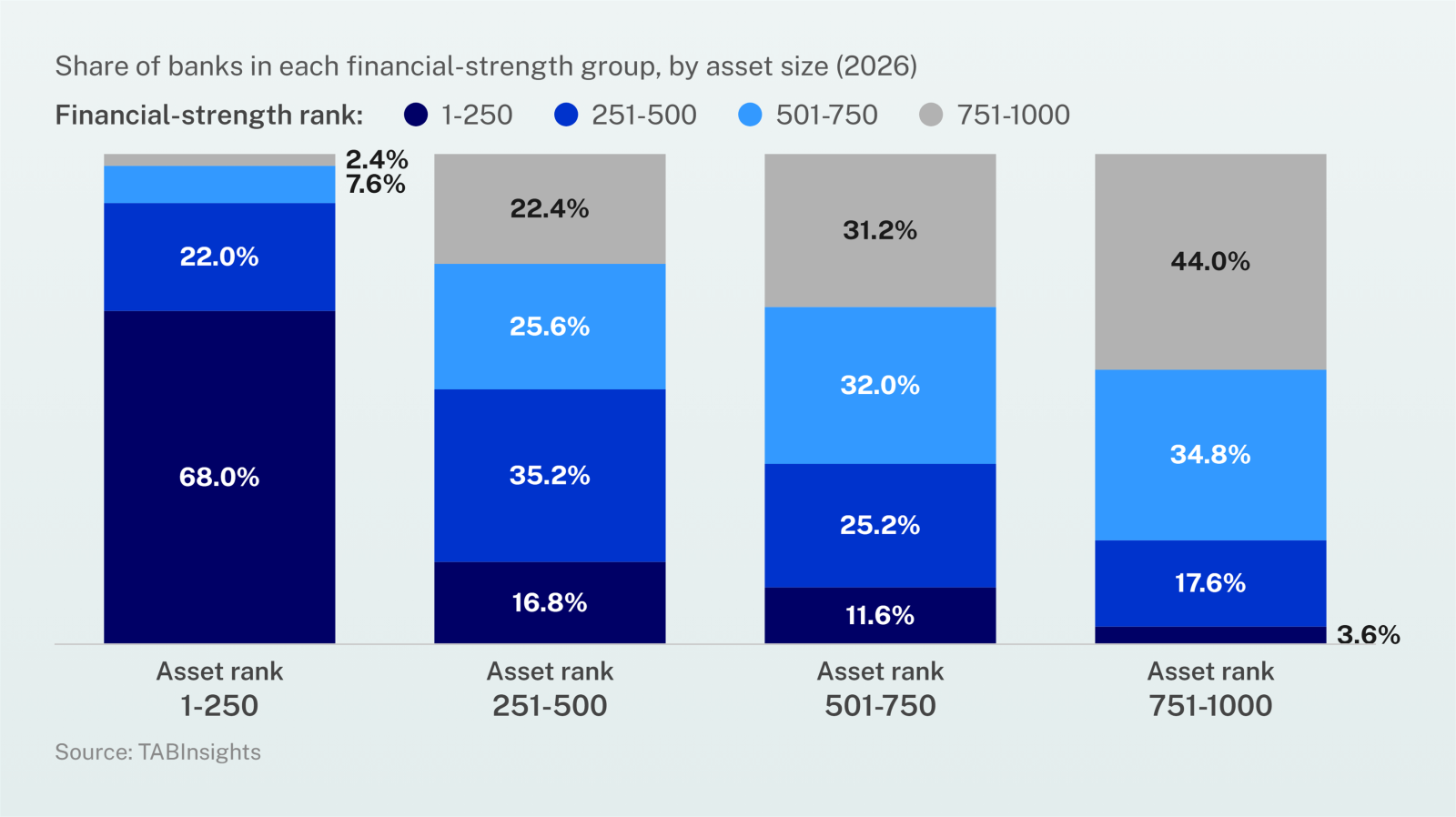
Scale is strongly associated with financial strength, but the TAB Global 1000 World’s Strongest Banks 2026 ranking shows that size is only part of the picture. Some smaller institutions substantially outperform their positions by assets, while exceptional profit growth and increasingly large regulatory liquidity buffers do not necessarily correspond with greater overall strength.
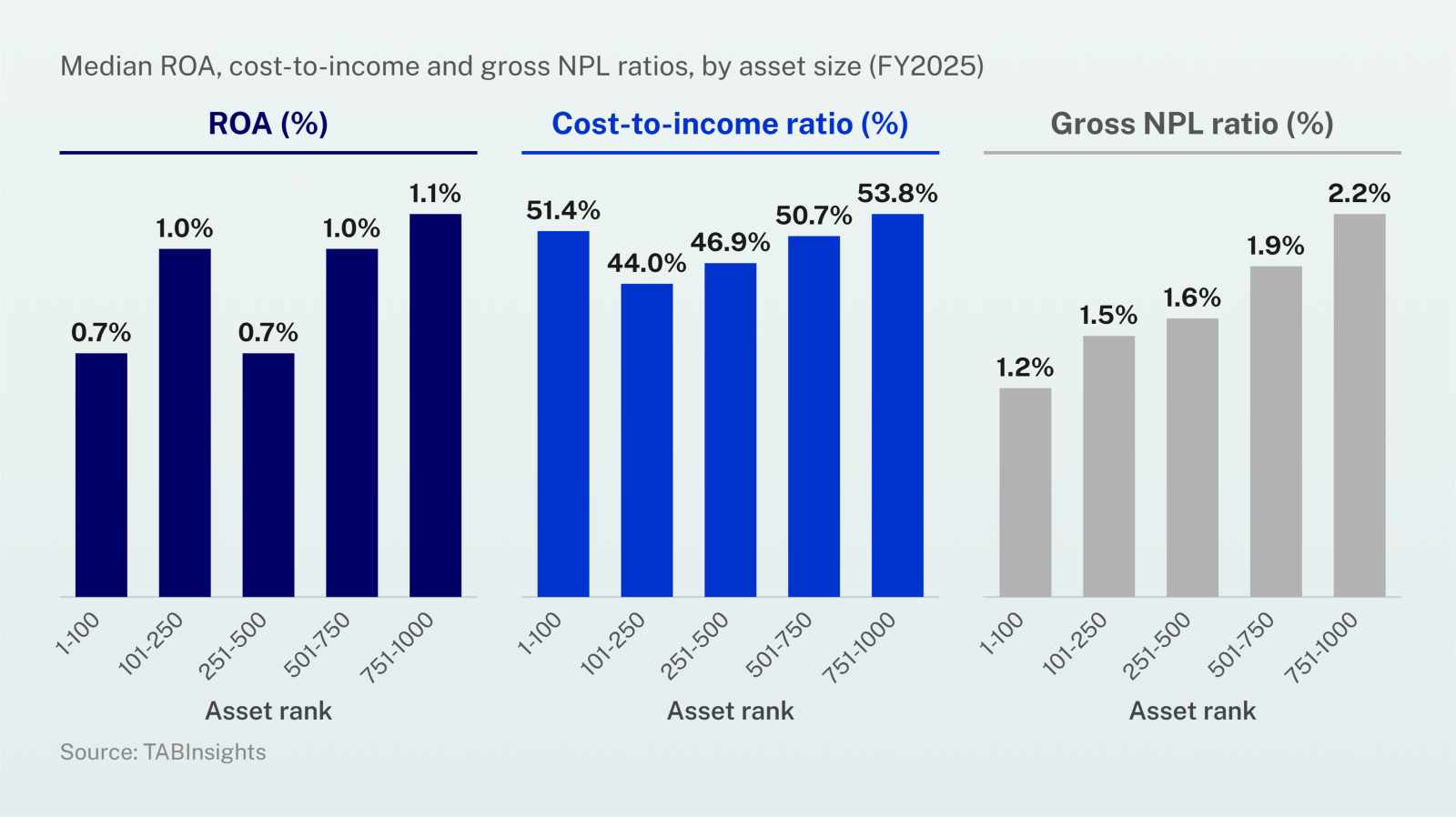
The world’s 1,000 largest banks expanded to $180.7 trillion in assets in FY2025, but cross-tabulation shows that better asset quality is most consistently associated with scale, while greater size does not correspond consistently with faster growth, higher returns or better efficiency.
The 2026 Largest and Strongest Islamic Banks rankings show that scale provides a clear advantage, but banks that translate growth into sustainable earnings, operating efficiency and resilience are making that advantage count.