


Digital transactions nearing 90% at leading banks reveal core technology deficiencies, prompting over 50% in Asia Pacific to adopt microservices for enhanced agility and scalability
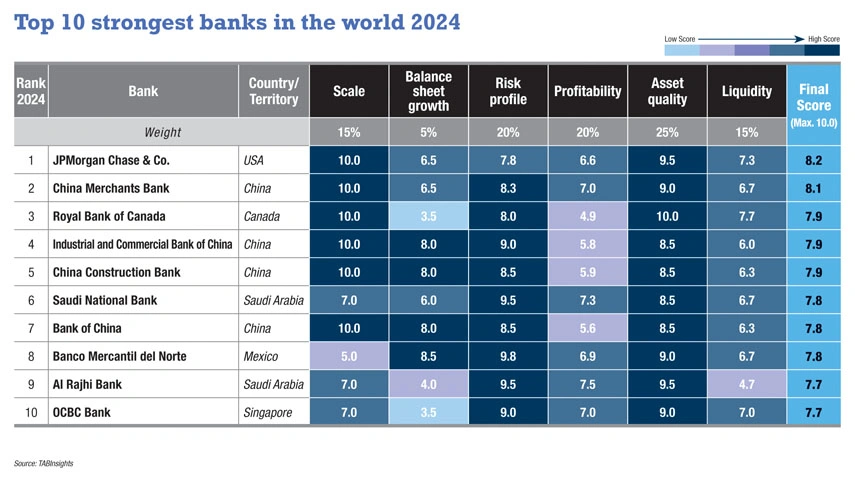
North America and Asia Pacific banks maintain overall balance sheet strength over those in other regions, with the Middle East showing some improvements. Profitability among all 1000 banks improved, driven by higher interest rates, while asset quality indicators stayed stable.

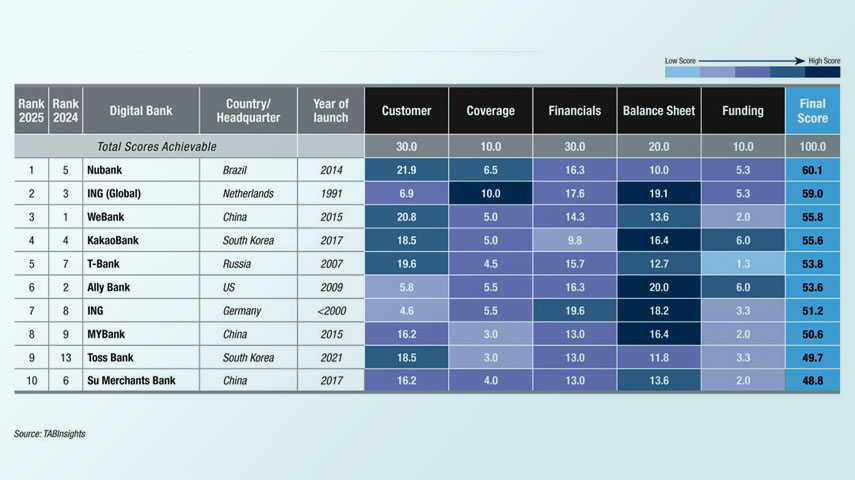
Digital banks continue to experience rapid growth in users, assets and revenue, with Brazil’s Nubank, the retail arm of ING Group and China’s WeBank leading the sector. Profitability among digital banks has improved, with a shorter time to break even.
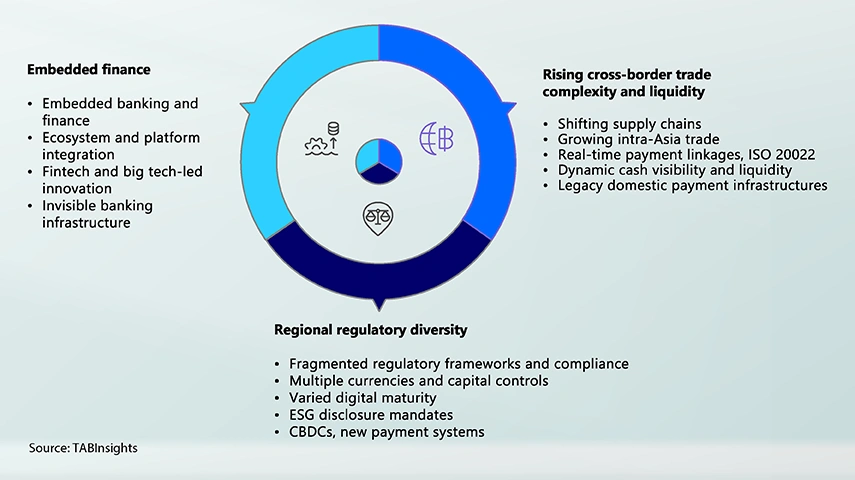
As Asia Pacific’s trade and payment flows accelerate, leading banks in the region are embedding finance into client ecosystems, orchestrating modular platforms and scaling AI for resilient, sustainable growth.
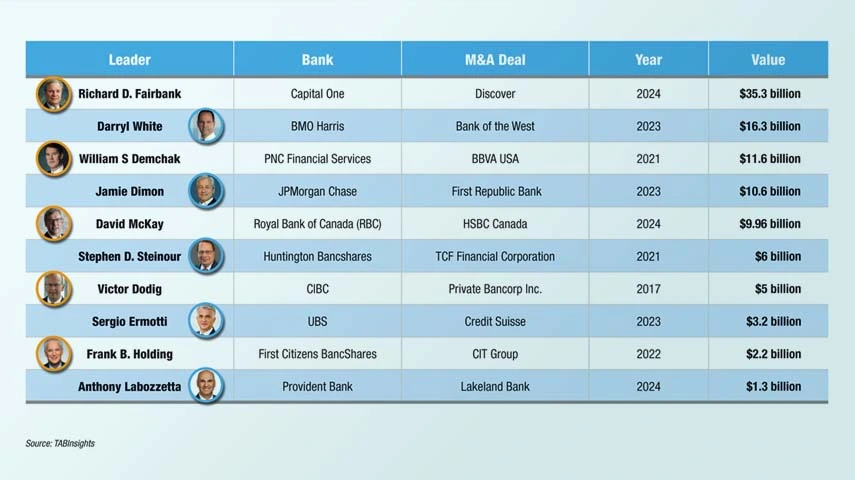
Bold leadership and record-breaking deals have redefined the global banking landscape over the past decade. The top 10 CEO-led mergers highlight how strategic vision and timing continue to drive competitiveness across North America, Europe and beyond.
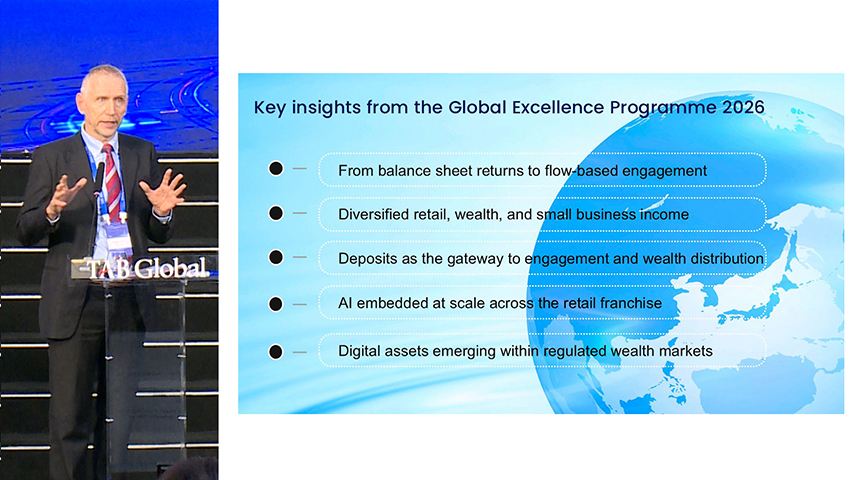
This year's TAB Global Excellence in Retail Financial Services Awards 2026 reveals three forces reshaping retail banking in ways that go beyond the interest rate cycle: the compression of spread-based income and the drive to diversify revenue; a fundamental reappraisal of the deposit franchise; and the deepening integration of artificial intelligence across banking operations and client engagement.
New B2B cross-border payment rails are outpacing traditional correspondent banking on speed, predictability, and transparency. Corporate treasuries increasingly prefer these new rails, while banks anchored in legacy infrastructure face structural revenue pressures, with even modest margin shifts threatening billions in annual income.
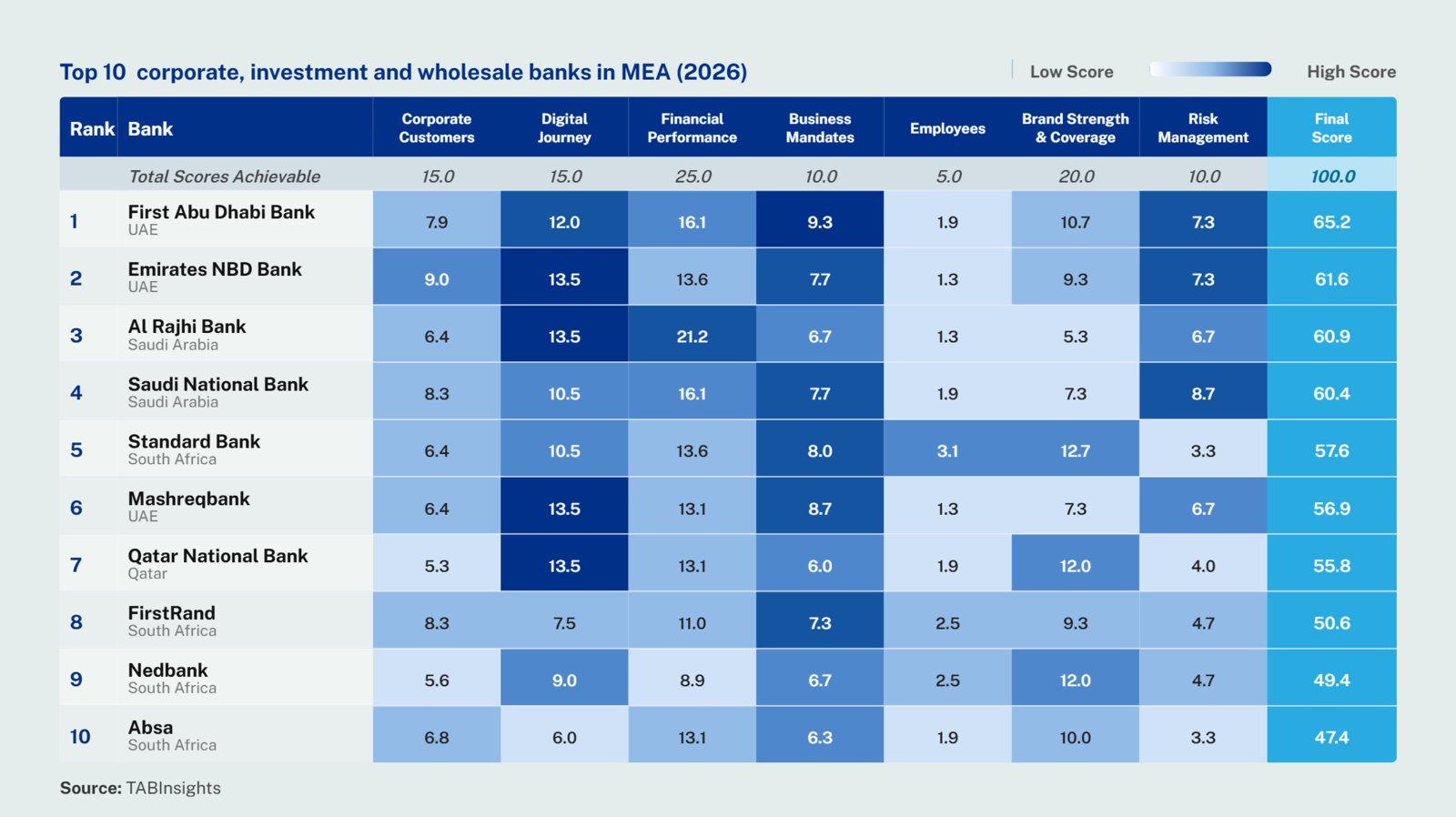
The 2026 ranking highlights how Gulf and African banks are pursuing different strategies to strengthen their corporate and wholesale franchises, with digital capability, regional connectivity, capital markets expertise and disciplined financial performance emerging as key competitive differentiators.
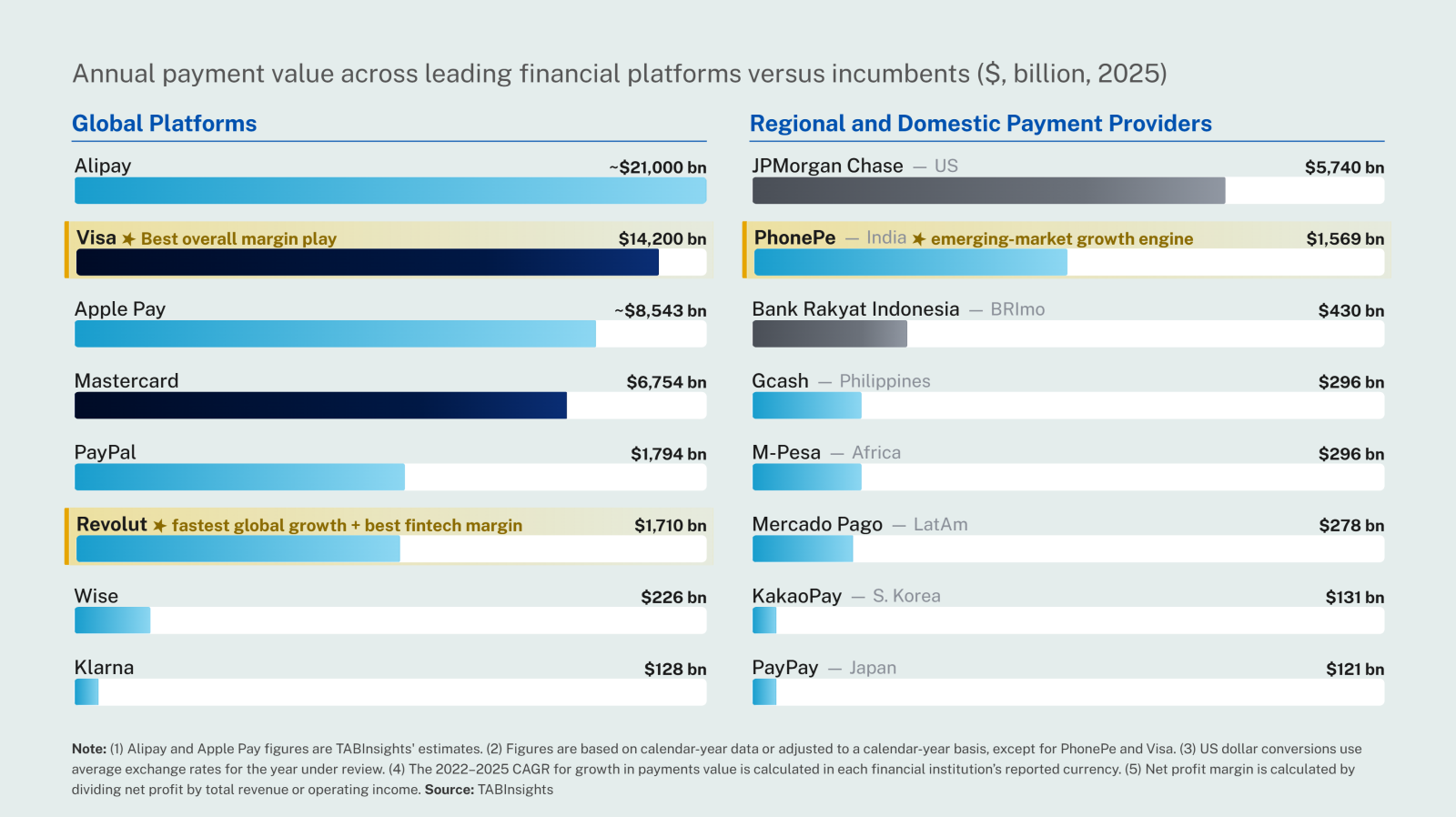
Fintech platforms have evolved from payment apps into formidable competitors to banks, using payments as a gateway to credit, savings, investments, insurance and merchant services, often without the cost and regulatory burden of a full banking licence. The world's largest platforms show that this model can deliver both enormous scale and, in most cases, strong profitability.
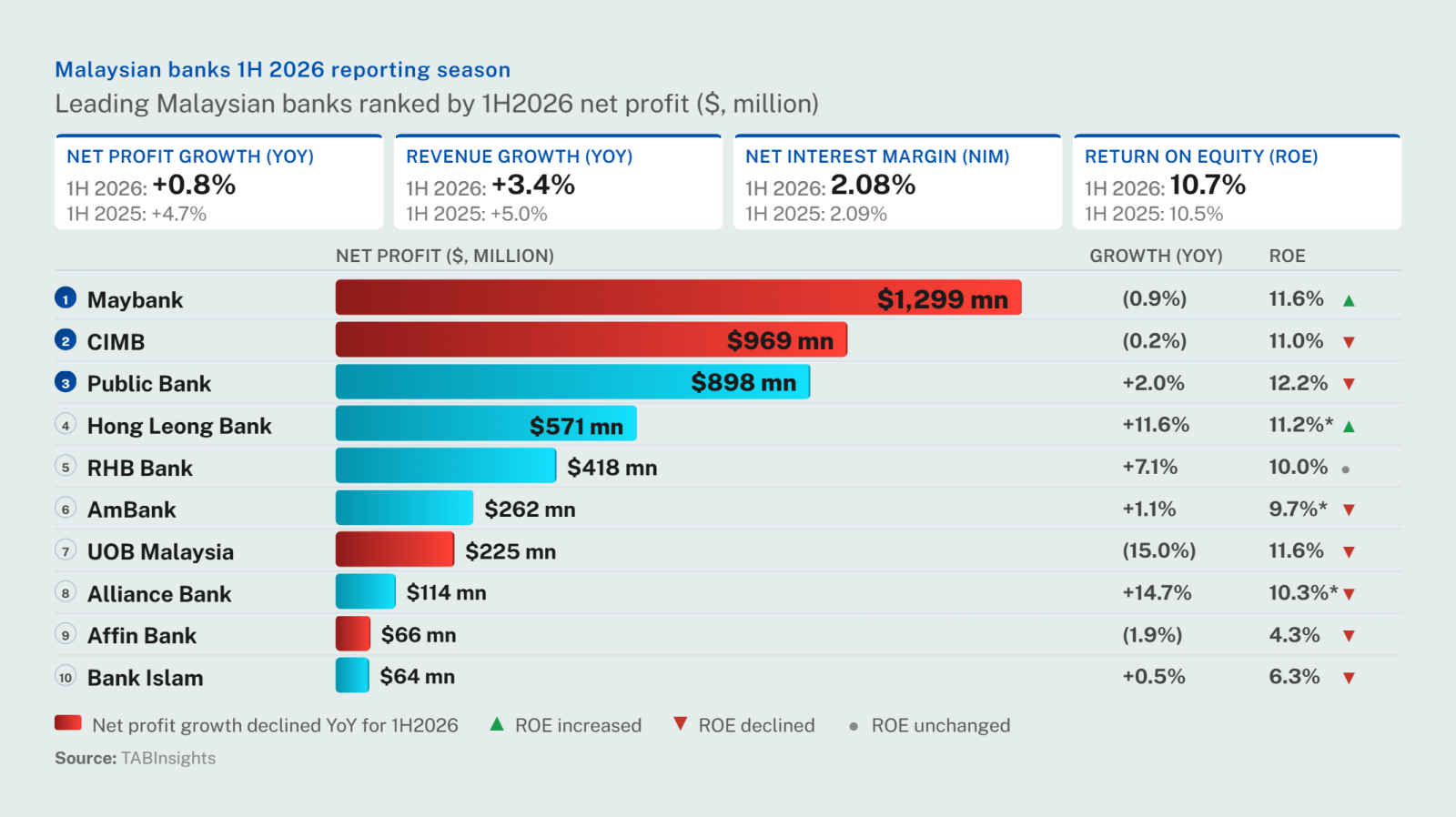
Malaysian banks' net profit was broadly flat in the first half of 2026 (1H2026), but their core lending businesses did not drive the result. Retail banking profit fell or stalled at most large groups, while corporate banking profit was likely flat. Treasury and markets income, wealth management and fund management provided most of the growth. Hong Leong Bank and Alliance Bank were the clearest exceptions, with broad-based operating strength.
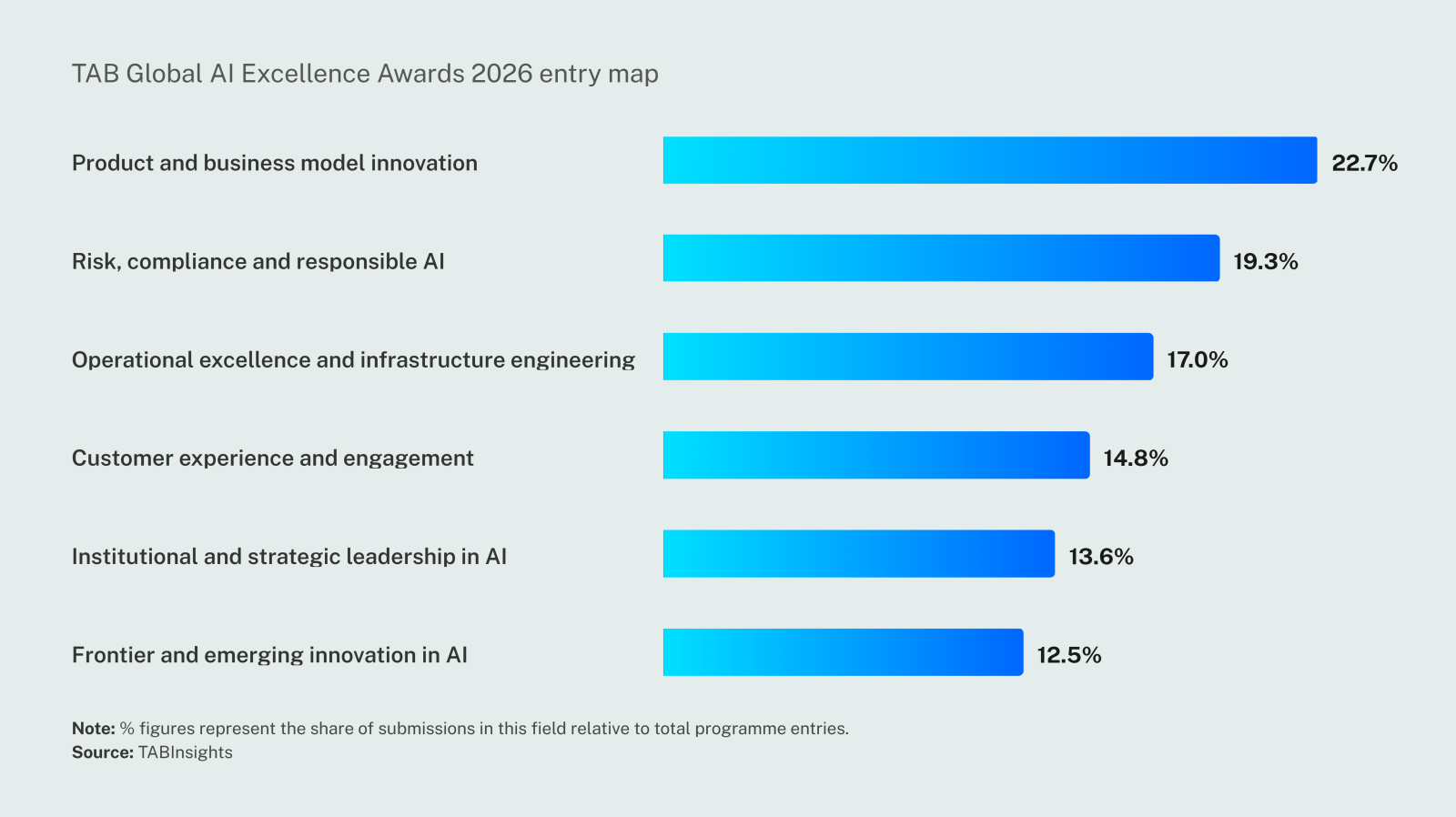
Most large banks have adopted AI, but few have rebuilt around it. Governance, architecture and strategic priorities will determine who scales AI successfully.